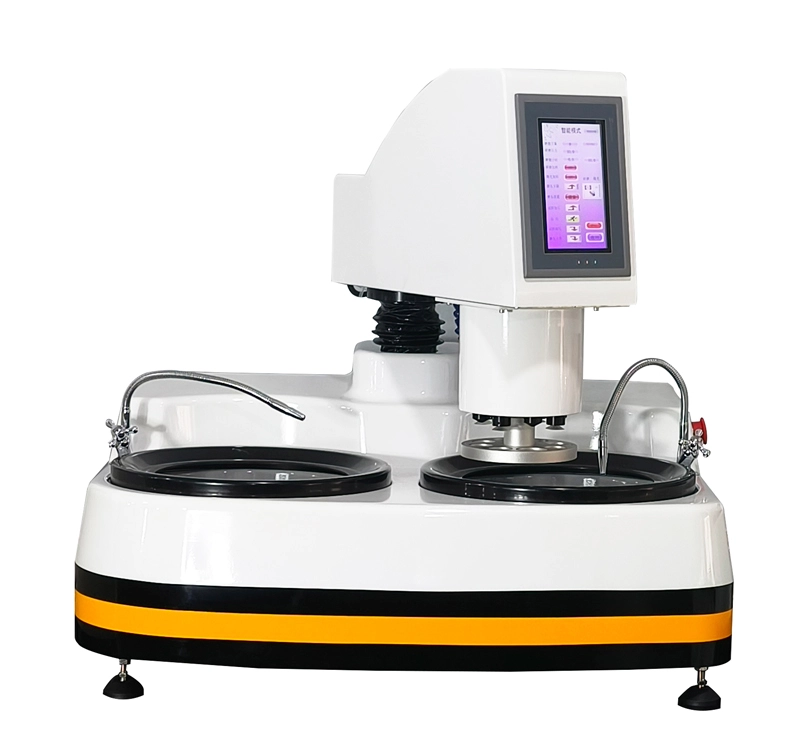
The plant applies YSZ thermal barrier coatings with an MCrAlY bond coat on turbine blades. Acceptance requires the hardness difference between coating and substrate at 1200 °C to judge whether the coating has over-sintered in service. The old route exposed samples for 100 h in a box furnace, cooled them, then ran room-temperature Vickers: cooling introduced phase changes, and one round took five days.
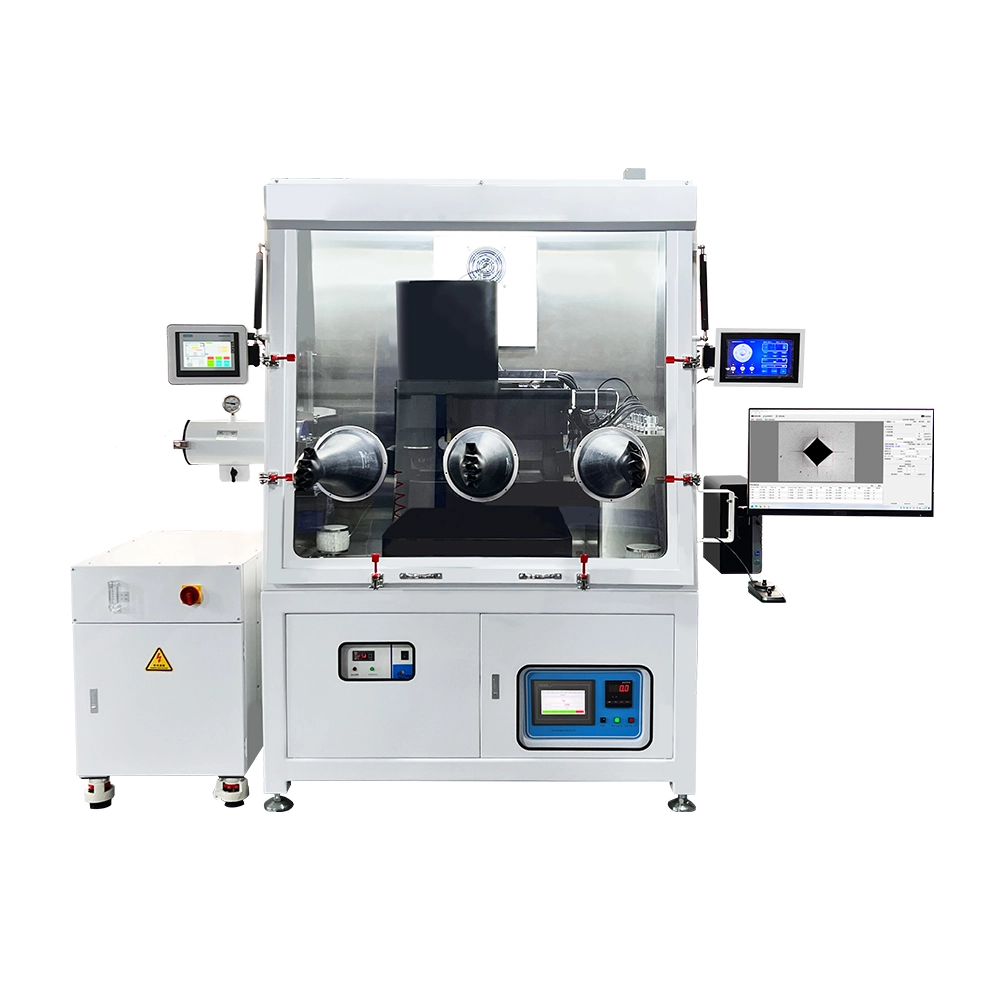
Solution: HMAS-HT1300CM, chamber evacuated to 5×10⁻³ Pa and backfilled with high-purity argon, ramped at 10 °C/min to 1200 °C with a 30 min soak, then HV1 indents on the ceramic surface, bond-coat cross-section and substrate in the same thermal field, imaged through a long-working-distance objective and evaluated to GB/T 4340.1.
Result: five days became three hours; gradient repeatability within 2.5% across three loadings of the same sample; two bond-coat batches showed an 18% hardness drop at 1200 °C, traced to spray-power drift, and the process window was corrected.