Cơ bản thử mỏi kim loại: đường cong S-N, tỷ số ứng suất và phương pháp bậc thang
Đường S-N chia vùng ít chu kỳ và nhiều chu kỳ; R=σmin/σmax quyết định ảnh hưởng ứng suất trung bình.
Structure of the S-N curve
Fatigue tests per GB/T 3075, corresponding to ISO 1099, run on axial fatigue machines; plotting stress amplitude or maximum stress against log cycles N gives the S-N or Wöhler curve. Steels show a horizontal branch beyond 10⁶-10⁷ cycles defining the fatigue limit σ_D; aluminium alloys never flatten, so a conditional limit at 10⁷ or 5×10⁷ cycles is agreed. Below about 10⁴-10⁵ cycles the low-cycle regime applies and strain control per GB/T 15248 takes over.
Stress ratio and mean stress
The cycle is characterized by R=σmin/σmax: R=-1 is fully reversed, typical of rotating bending; R=0 is pulsating; R>0 is tension-tension. Higher R, meaning higher mean stress, lowers fatigue strength; Goodman or Gerber diagrams convert between ratios. Reports must state R, waveform and frequency — above roughly 100 Hz, specimen heating can artificially extend life.
Staircase method for the fatigue limit
Mapping a full S-N curve by group testing takes 20-30 specimens; for the limit alone the staircase method is cheaper. Start the first specimen slightly above the estimated limit, step down after a failure and up after a run-out, with a step of about 5 percent of the expected limit. With 13 or more valid specimens, the Dixon-Mood statistics give the 50 percent survival fatigue limit and its standard deviation. The more failure/run-out alternations, the steadier the estimate.
Specimens and rejection
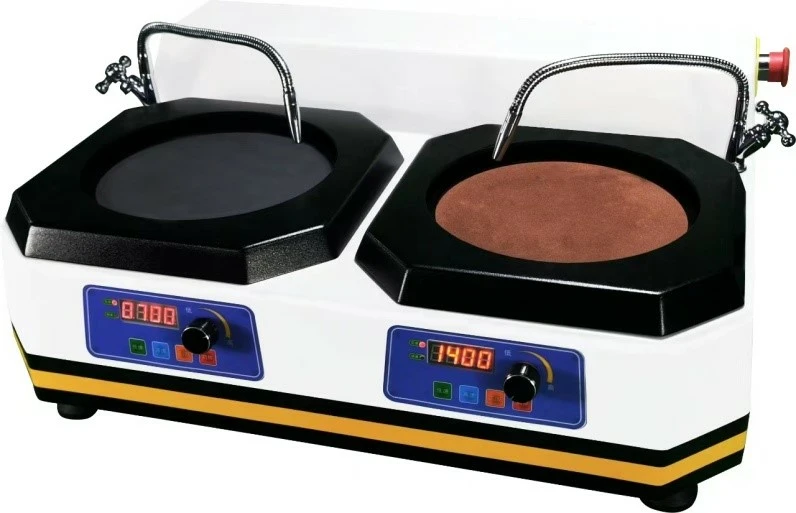
Fatigue specimens need longitudinal polishing to Ra of 0.2 μm or finer; transverse scratches act as crack starters and halve life. Fractography is mandatory: origins at normal surface defects or inclusions are acceptable; origins outside the gauge, at grips or at gross metallurgical defects invalidate the specimen. Servohydraulic machines need load accuracy within 1 percent and alignment per ASTM E1012 with bending strain under 5 percent — misalignment is the first suspect when fatigue scatter explodes.