Inclusion Rating per GB/T 10561: A/B/C/D Classes and Field-Counting Essentials
Sulfides, aluminates, silicates and globular oxides each split into fine and heavy series; rate against charts at 100x using the worst-field method.
Classification system
GB/T 10561, corresponding to ISO 4967 and ASTM E45, divides non-metallic inclusions by morphology: class A sulfides (MnS stringers elongated by deformation), class B alumina (brittle Al₂O₃ chains), class C silicates (deformable stringers), class D globular oxides (undeformable rounds), plus class DS for single large globular particles. Each class splits into fine and heavy series, with chart levels from 0.5 to 3.0, higher numbers meaning more and coarser inclusions.
Specimen preparation
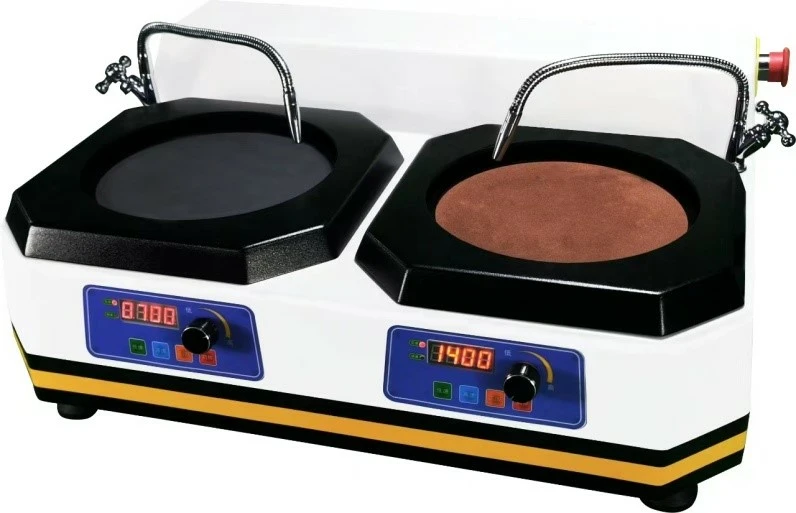
Inclusion inspection is done on the polished, unetched section — the biggest difference from microstructural work. The sampling direction must be longitudinal, parallel to the rolling direction, with a polished area of about 200 mm² (20×10 mm). Polish with diamond down to 1 μm and avoid edge rounding and comet tails, because preparation pull-outs get misread as class D inclusions. Do not etch the observed face.
Field-counting methods
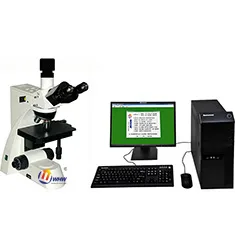
The standard specifies 100x observation with a field diameter of about 0.8 mm. Method A, the worst-field method: scan the whole polished face and record the worst field level of each class and series as the result. Method B, field-by-field: rate a specified number of consecutive fields, usually at least 100, and report the distribution. Purity-sensitive materials such as bearing steel benefit from method B. When several classes share one field, rate by the dominant class and note the others.
Misjudgments and automation
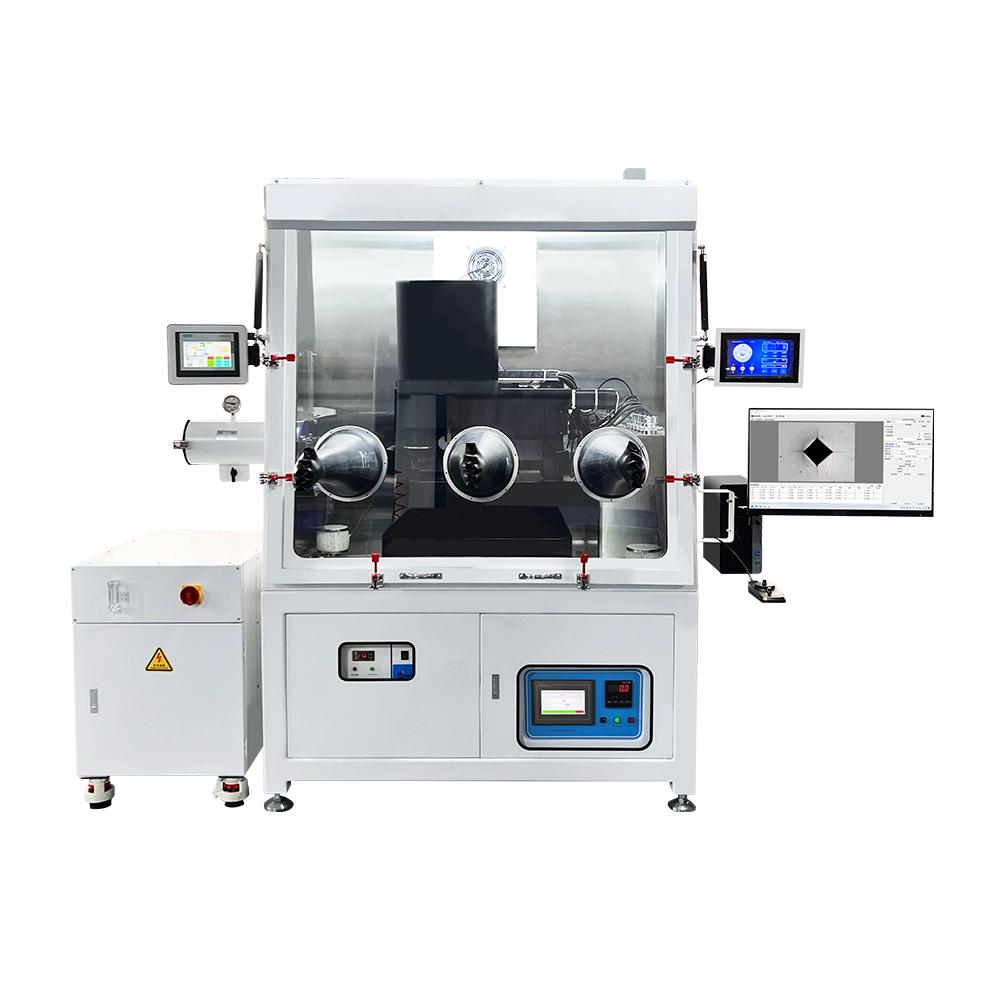
Three classic misjudgments: polishing scratches read as class A, contamination particles as class D, and etch pits from improper etching as inclusions. Counter-checks are brightfield/darkfield comparison and micro-area composition analysis by EDS. Image-analysis software classifies and counts automatically, about ten times faster, but grey thresholds need calibration on reference blocks, and the A/C distinction still deserves human review. Reports should state the method, field count and the level of every class.